Land Use in Douglas County: What Buyers and Sellers Need to Know
 Land Use in Douglas County: What Buyers and Sellers Need to Know
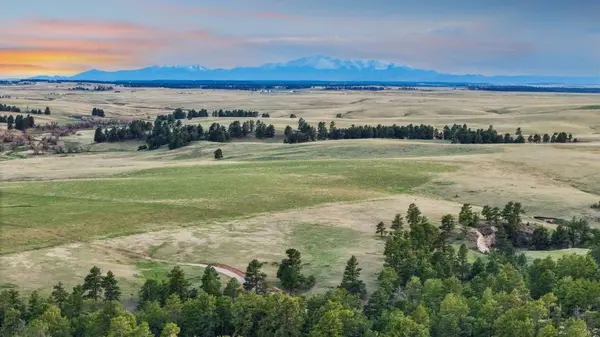
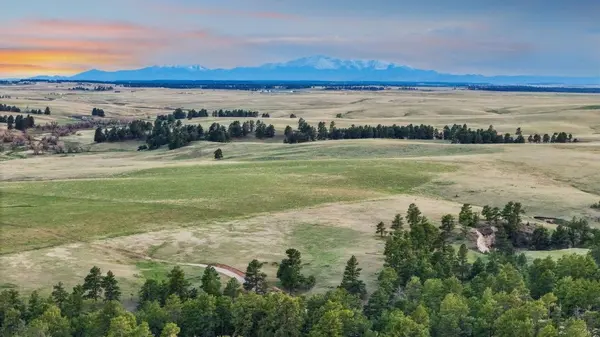
Douglas County has a character all its own—rolling hills, pockets of pine, and a blend of ranchland and growing communities. If you’re eyeing land here, whether it’s a sprawling acreage or a tucked-away homesite, it’s smart to get a handle on the local land use rules before you make any big moves.
Douglas County Zoning: What’s the Story?
Every parcel in Douglas County comes with its own set of possibilities, shaped by zoning. The most common zoning classes—and their minimum acreage—are:
- Agricultural One (A1): The classic wide-open spaces—perfect for ranching, farming, and rural homes. These parcels typically require a minimum of 35 acres, allowing livestock, barns, and outbuildings, but with limits on subdividing and commercial use.
- Rural Residential (RR): For folks who want a little elbow room without running a full-scale ranch. RR zoning is popular for homes on larger lots, usually with a minimum of 5 acres, great for small gardens or a few horses.
- Estate Residential (ER): These lots are typically a bit smaller than RR but still offer more space than you’d find in town. The minimum lot size is often 2.3 acres, perfect for those who want a country feel with some neighbors nearby.
- Planned Development (PD): As Douglas County grows, PD zoning is becoming more common. These areas blend homes, open space, and sometimes small businesses, all under a county-approved plan. Minimum lot sizes can vary widely, so always check the specific guidelines for each development.
The Douglas County Planning Services team is a fantastic resource. They’re used to fielding questions from folks who want to understand what’s possible, and they can help you sort through zoning maps and regulations without the jargon.
More Than Zoning: Restrictions and Covenants
Beyond zoning, some properties come with covenants or HOA rules—sometimes as simple as how many horses you can keep, sometimes as detailed as what color you can paint your house. Sellers should always be upfront about these, but if you’re buying, don’t take anything for granted. Ask for all the details and double-check with the county or HOA before you commit.
Access: Getting to Your Land
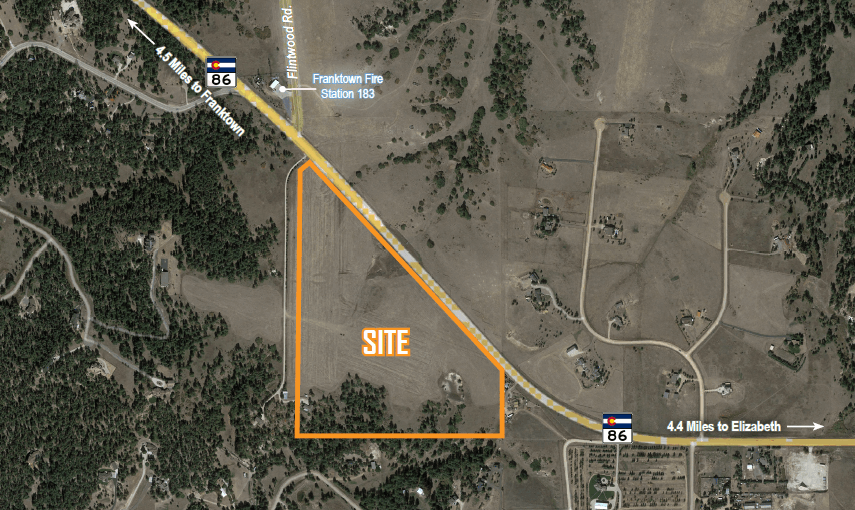
One thing that surprises people about Douglas County is that not every property has direct, paved road access. Some are reached by private roads or shared easements. Before you fall for a property, make sure there’s legal, recorded access. And take a look at any easements—sometimes neighbors or utility companies have rights you’ll want to know about.
Tips from the Field
- Buyers: Start with the county planning office. Ask questions, get zoning and access info, and gather any HOA or covenant documents. A little homework now can save you a lot of trouble later.
- Sellers: Pull together your zoning documents, access records, and any restrictions before you list. Being upfront helps buyers feel confident and keeps the process smooth.
Douglas County is more than a spot on the map—it’s a place where tradition and growth meet. With a bit of research and the right questions, you can make sure your next move fits your vision, whether you’re settling in or moving on to new adventures.