Land Use in Elbert County: What Buyers and Sellers Need to Know
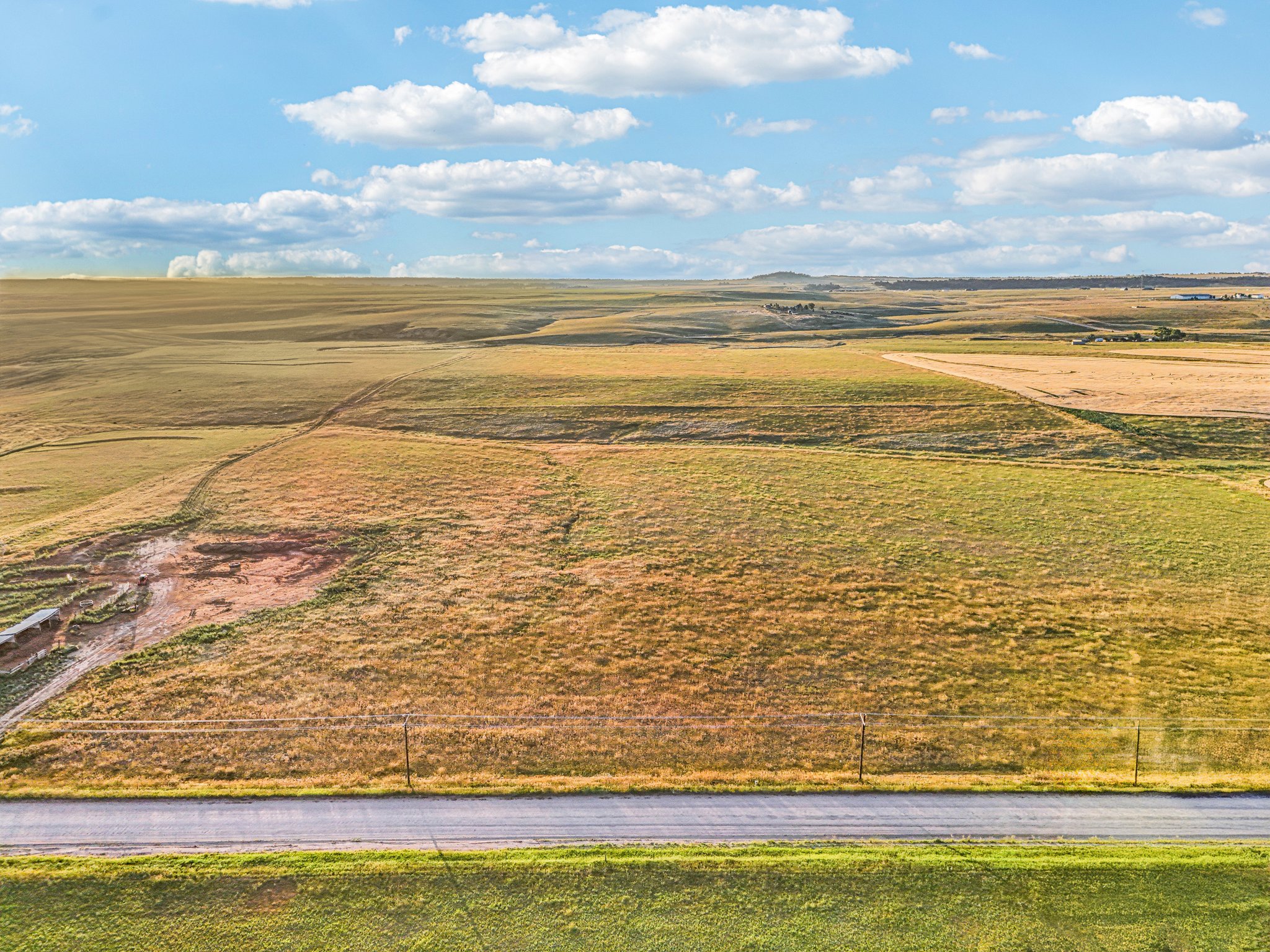 There’s something special about Elbert County—the kind of place where the sky feels a little bigger and the land stretches out with promise. If you’re thinking about buying or selling land here, it pays to get familiar with the local rules that shape what you can do with your slice of Colorado.
What You Need to Know About Zoning in Elbert County
Every piece of land in Elbert County comes with its own story, and zoning is a big part of that. Most of what you’ll find out here falls under Agricultural or Rural Residential zoning. Agricultural parcels are the backbone of the county—think cattle, horses, and enough room to chase the sunset. Rural Residential lots are perfect if you want a little space to breathe, maybe a few chickens or a big garden, but not the full-on ranching life.
If you stumble across a property in a Planned Unit Development, take a close look at the rules. These areas can mix homes, open space, and sometimes even a small business or two, but the guidelines can be as unique as the land itself.
Don’t be shy about calling the folks at the Elbert County Planning & Zoning Department. They’ve helped plenty of people figure out what’s possible, and they’re usually happy to walk you through the details.
Restrictions: The Fine Print You Can’t Ignore
It’s not just zoning you need to watch for. Some properties come with covenants or deed restrictions—little rules that can have a big impact. Maybe you can’t build a second house, or there’s a limit on the number of animals. Sometimes, even the color of your barn is up for debate. Sellers should always be upfront about these, but buyers: double-check for yourself. Surprises are best left for birthdays, not closing day.
Getting There: Access and Easements
One thing that trips up a lot of folks new to Elbert County is access. Not every property comes with a paved road or a clear path in. Some are tucked away, reachable only by a private road or a neighbor’s easement. Before you fall in love with a place, make sure you have legal, recorded access. And don’t forget to check if anyone else has the right to cross your land—sometimes utility companies or neighbors have easements you’ll want to know about.
Real-World Tips
- Buyers: Do your homework early. Call the county, ask questions, and get copies of anything that looks official. A little legwork now can save you a world of trouble down the road.
- Sellers: Gather up your paperwork—zoning info, access docs, and any restrictions—before you list. The more you can share, the smoother your sale will go.
Elbert County isn’t just a place on the map—it’s a way of life. With a bit of research and the right questions, you can make sure your next move is the right one, whether you’re putting down roots or passing the torch to someone new.